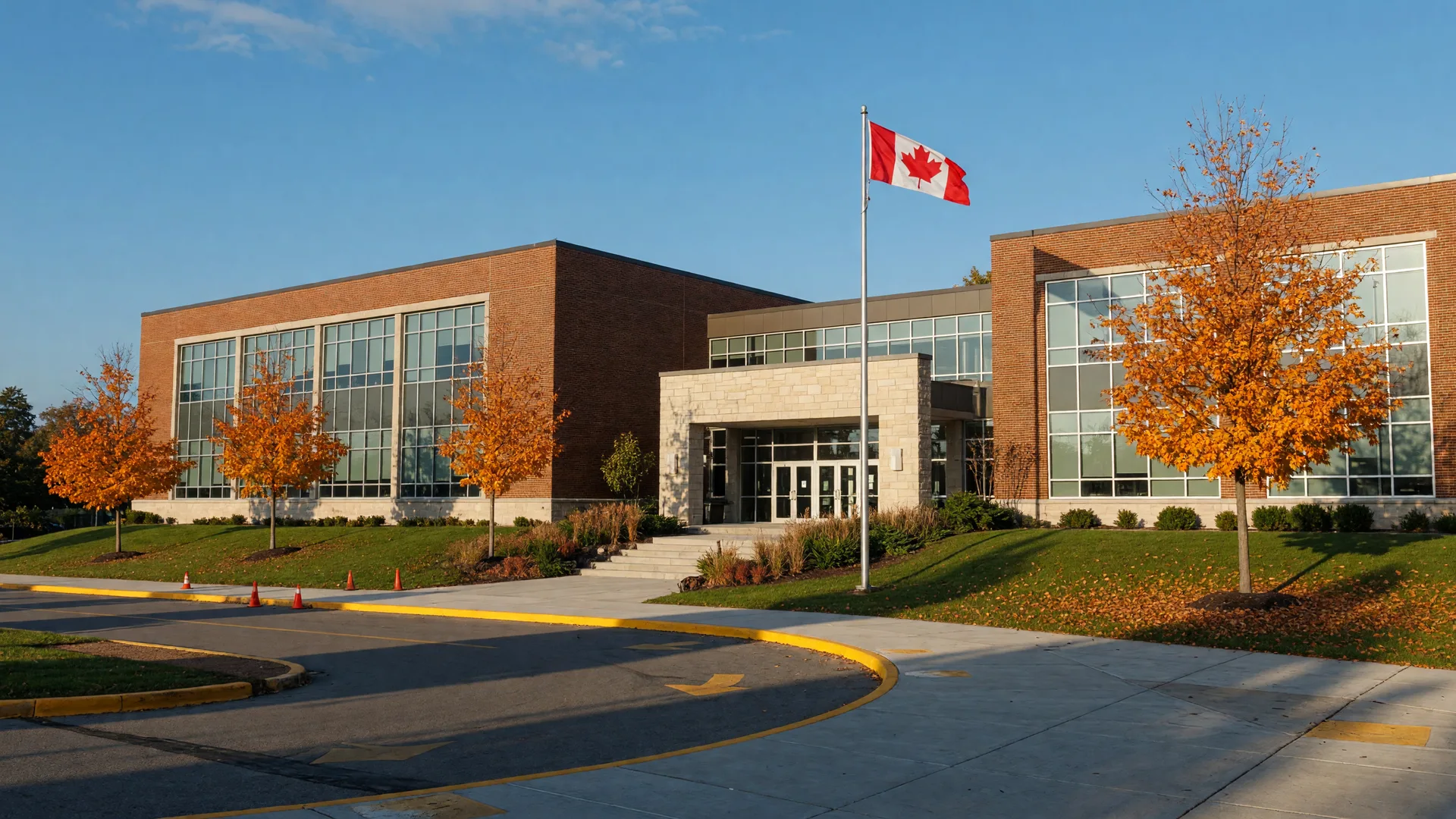
If you are moving to Oshawa with school-age kids, the short answer is that the best schools in Oshawa sit in both of the city's two strong English boards: the public Durham District School Board and the Catholic Durham Catholic District School Board, plus French-language options for eligible families. The newest schools, including Cedar Valley Secondary School opening in Windfields in September 2026, are concentrated in the fast-growing north end, while long-established schools anchor the central and east neighbourhoods. This guide maps the schools to the neighbourhoods so you can match a home to the right catchment before you start touring.
Oshawa families rarely lack for choice. Every street in the city falls under both a public and a Catholic elementary school, and the city is home to two post-secondary campuses sharing one site in the north end. The practical question for families is not whether Oshawa has good schools, but which school your address feeds into and whether that school fits your child. Both boards are headquartered right in Oshawa, which makes it easy to get answers in person.
The two school boards serving Oshawa
Oshawa's English public schools are run by the Durham District School Board (DDSB), the largest board in Durham Region, with elementary and secondary schools across the whole region. The English Catholic schools are run by the Durham Catholic District School Board (DCDSB), headquartered on Rossland Road West in Oshawa. Both boards are well funded, deeply embedded in the community, and popular with local families, so the choice usually comes down to faith-based education and the specific school your address feeds into. Start with the official listings: the Durham District School Board school listings and the Durham Catholic school listings.
How school catchments work in Oshawa
Your catchment is set by your home address, not by where you would prefer to go. Every street in Oshawa feeds a public elementary school and a Catholic elementary school, and those boundaries shift as neighbourhoods grow. The practical rule for buyers is simple: never assume a street feeds a particular school. Run the exact address through the board's find-a-school tool before you make an offer, and ask your agent to confirm the answer in writing. Our schools and education guide walks through catchments, bus zones, and the questions to ask, and it is updated as boundaries change.
The best schools in Oshawa by neighbourhood
The fastest way to shortlist schools is to start with the neighbourhood, because Oshawa's newest schools cluster in the north end while its heritage schools anchor the centre and the east. Here is how the school landscape breaks down, area by area.
Windfields: the new-school heartland
Windfields is where Oshawa's school story is being written right now. The Durham District School Board is opening Cedar Valley Secondary School at 245 Windfields Farm Drive East in September 2026, a new public high school with roughly 1,387 student spaces, 58 classrooms, and a triple gymnasium. The neighbourhood also has Northern Dancer Public School at 2200 Bridle Road, which opened in 2018 and is one of the city's newest elementary schools. For families who want their kids in fresh, purpose-built schools from day one, Windfields is the address to watch. See the street-by-street picture in our Windfields neighbourhood guide.
Taunton and the north end: new builds and new schools
Just west of Windfields, the Taunton corridor is the north end's new-build heartland, and the schools have kept pace. Elsie MacGill Public School at 800 Greenhill Avenue opened in September 2019, and Maxwell Heights Secondary School has served the area as one of the city's newer public high schools. New subdivisions around Taunton Road and Harmony Road mean these schools draw from young, growing communities with active parent populations. The trade-off to know: north-end catchments are reviewed frequently as development continues, so confirm the boundary for the exact street before you buy. Read the Taunton neighbourhood guide for the housing picture.
Central Oshawa: heritage schools near downtown
The central neighbourhoods around downtown, O'Neill, and McLaughlin hold Oshawa's heritage schools. O'Neill Collegiate and Vocational Institute sits beside the university district with strong arts programs, and G.L. Roberts Collegiate and Vocational Institute is a long-established central secondary school. On the Catholic side, Monsignor John Pereyma Catholic Secondary School has served central Oshawa from Conant Street for decades. These schools draw on mature, walkable neighbourhoods with deep community roots, and the homes around them are often the city's most characterful. If school history and community feel matter more than brand-new facilities, the core is worth a look. Compare O'Neill and downtown Oshawa for the housing stock.
The east end: Eastdale and Donevan
Eastdale Collegiate and Vocational Institute at 265 Harmony Road North anchors the northeast, serving the Eastdale and Donevan areas with a broad program and vocational pathways. The east end mixes older established streets with newer pockets, and its schools serve families who want to be close to the 401 without living in the busiest new-build corridors. David Bouchard Public School on Wilson Road South is one of the newer elementary options in the area. Our Eastdale and Donevan guide covers what the housing and community look like.
Catholic options across the city
Catholic families have choices in every part of Oshawa. Monsignor Paul Dwyer Catholic High School on Stevenson Road North is the board's flagship secondary school, and it is relocating to a brand-new site at 1001 Greenhill Avenue, scheduled to open in September 2027. Elementary options include St. Christopher on Annapolis Avenue, Monsignor Philip Coffey on Oxford Street, and schools like St. John Bosco, St. Bernard, and St. Mark the Evangelist across the city. Catholic boards in Ontario accept students from other faith backgrounds in many cases, so it is worth one call to the board to confirm admission for your family. The schools guide has the full list.
French immersion and French-first options
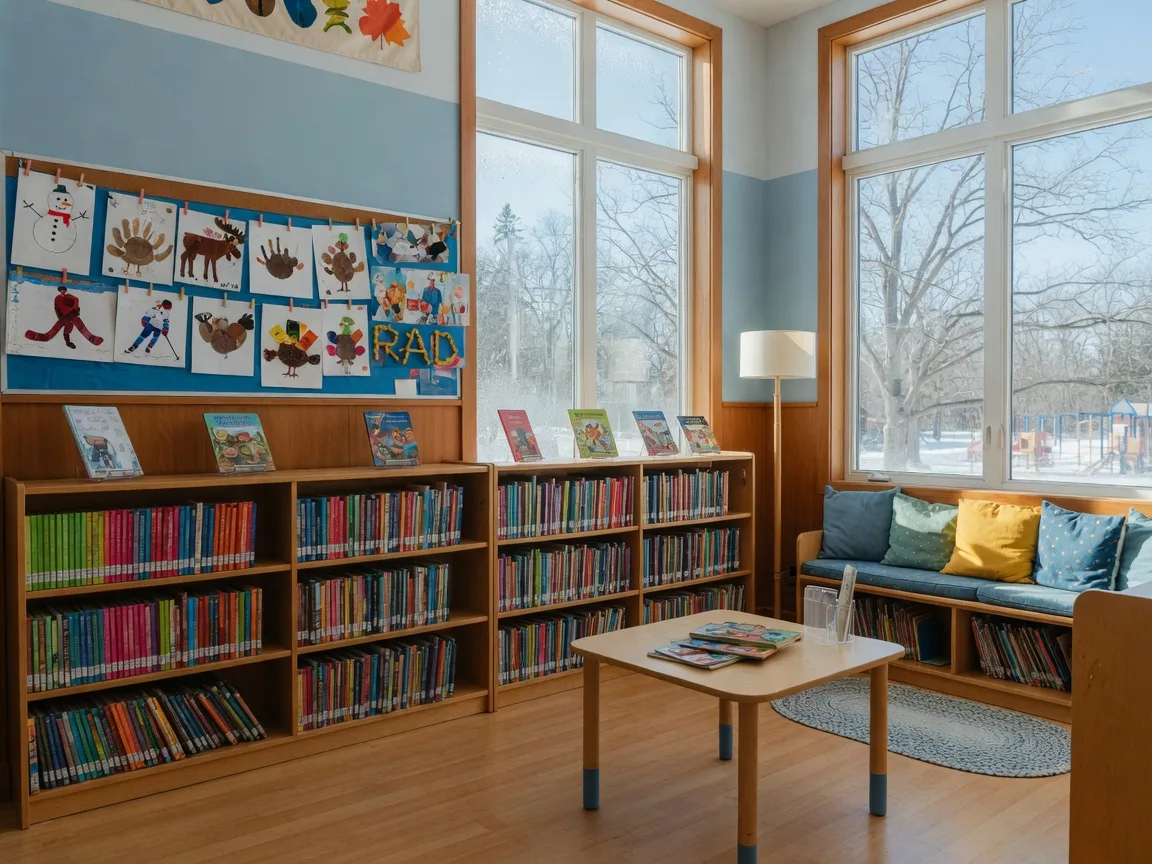
Families who want French immersion should ask both boards about their immersion programs, because availability varies by school and by entry point. French-first families are served by the region's French-language boards, Conseil scolaire catholique MonAvenir and Conseil scolaire Viamonde, which have their own admission rules and catchment areas. Contact the boards directly to confirm eligibility and transportation before you choose a neighbourhood, because French-language catchments do not always match the English ones.
Post-secondary: one shared campus in north Oshawa
Oshawa is a true university town. Ontario Tech University and Durham College share a modern campus at 2000 Simcoe Street North, which means students can earn university degrees and college diplomas on the same grounds, with residences and labs on site. Families moving with teens should know the campus anchors the north end's innovation economy and sits a short drive from the new north-end high schools, which makes the Windfields and Taunton corridor a practical choice for households with both school-age and post-secondary students.
What to check before you buy for the school
School catchments are the one detail buyers most often get wrong, because they change. Run this checklist before you make an offer on any Oshawa home.
- Confirm the address, not the zone name: use the DDSB and DCDSB find-a-school tools with the exact street address, and ask for the answer in writing.
- Check the bus zone: transportation eligibility changes by distance, and a home a few streets further can mean a bus ride instead of a walk.
- Ask about new development: fast-growing north Oshawa reviews boundaries frequently, so buy for the current catchment and verify growth plans.
- Talk to a local agent: Keith and Lisa run the feeder pattern for your shortlist on a free call and flag schools that are at or near capacity.
If you are comparing neighbourhoods on schools, start with our first-time buyer guide to where to live in Oshawa, which ranks the areas by budget and lifestyle, then read the complete buyer's guide for the offer and closing process. When you are ready to look, buyer representation with Keith and Lisa includes the catchment rundown for every shortlist home, at no cost to you.
Registering for school in Oshawa
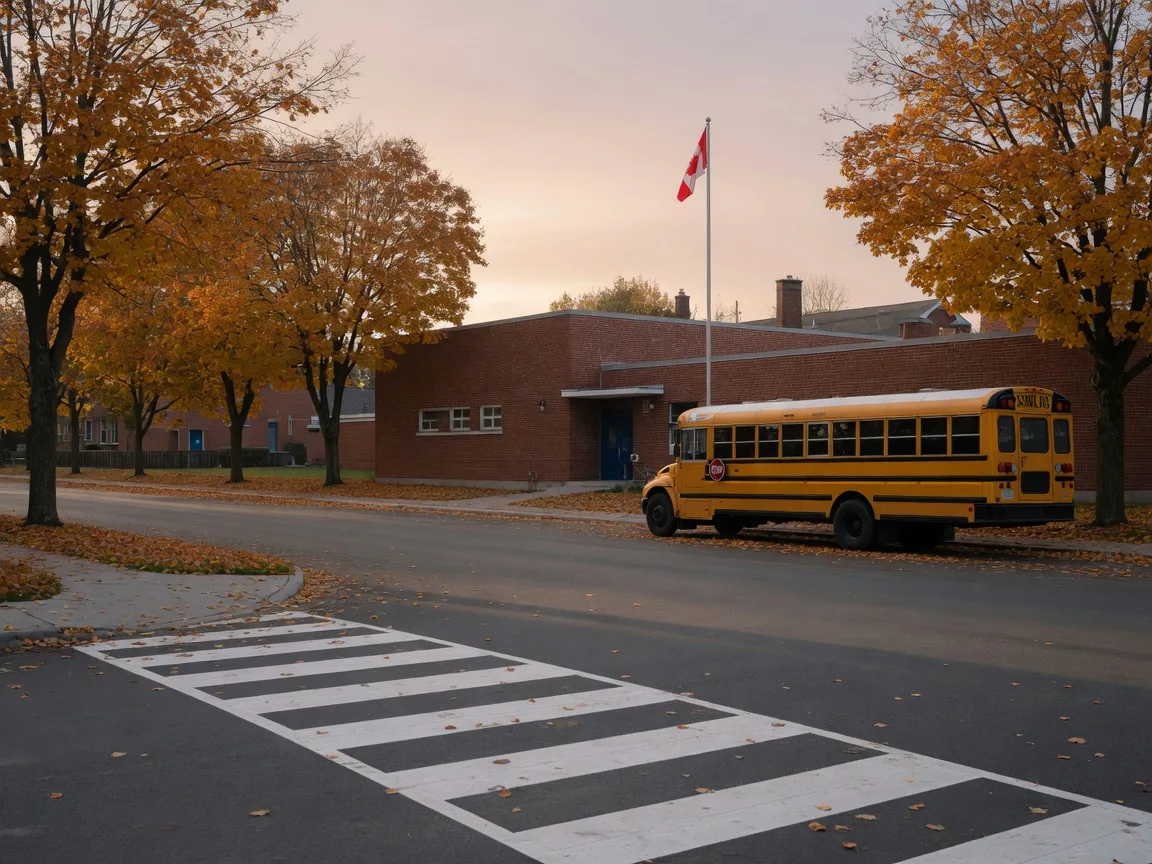
Kindergarten registration in Ontario opens in the winter for the following September, and both boards publish the exact dates and required documents on their websites. You will typically need proof of address, proof of the child's age, and immunization records. If you are moving mid-year, schools accept registration at any time, but it helps to contact the school office first so the principal knows you are coming. For older students, the school will ask for report cards from the previous school, and the board arranges transportation once the address is confirmed.
If before- and after-school care matters to your schedule, ask the school office what is available at your catchment school, since programs vary from school to school. Many Oshawa schools run their own programs or work with nearby community centres, and waiting lists exist at the most popular ones, so it pays to ask early.
The bottom line for families moving to Oshawa
The best schools in Oshawa are the ones that fit your child, and the good news is that both boards are strong and every part of the city is served. The newest schools sit in the north end, the heritage schools anchor the centre, and the catchments are the detail that decides it all. Verify the address, check the bus zone, and let a local team walk the feeder patterns with you before you commit to a neighbourhood. Send Keith and Lisa a message to get the rundown for your shortlist.