Housing
Housing styles & prices in Oshawa
Oshawa's housing stock spans more than a century: pre-war brick in the downtown, mid-century bungalows across the central districts, and an open pipeline of new subdivisions in the north end. Detached homes dominate sales, and prices remain the most approachable of any market with a direct GO train to downtown Toronto.
What you will find
Six housing styles, from lakeshore to countryside
Pre-war & heritage homes
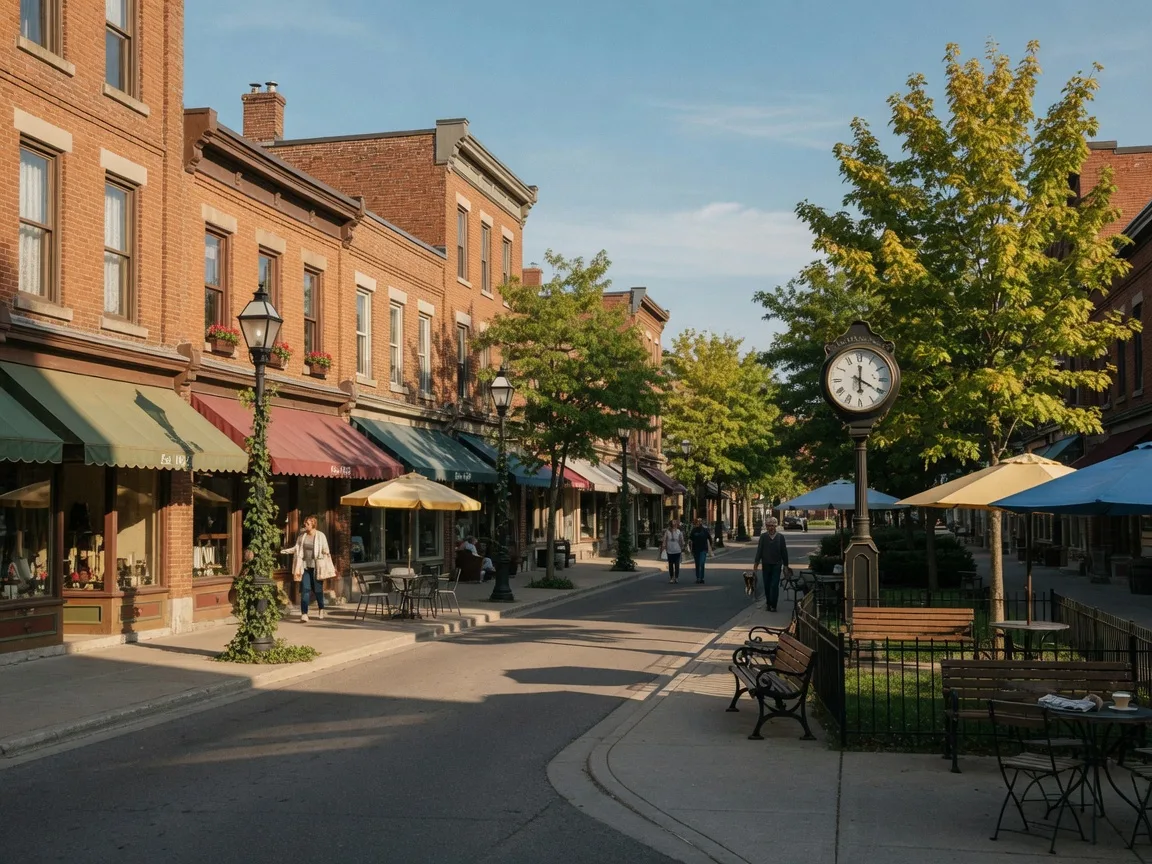
Brick houses from the 1890s to the 1930s, clustered in downtown and central neighbourhoods. Character features, compact lots, and the city’s lowest entry prices per square foot.
Post-war & mid-century
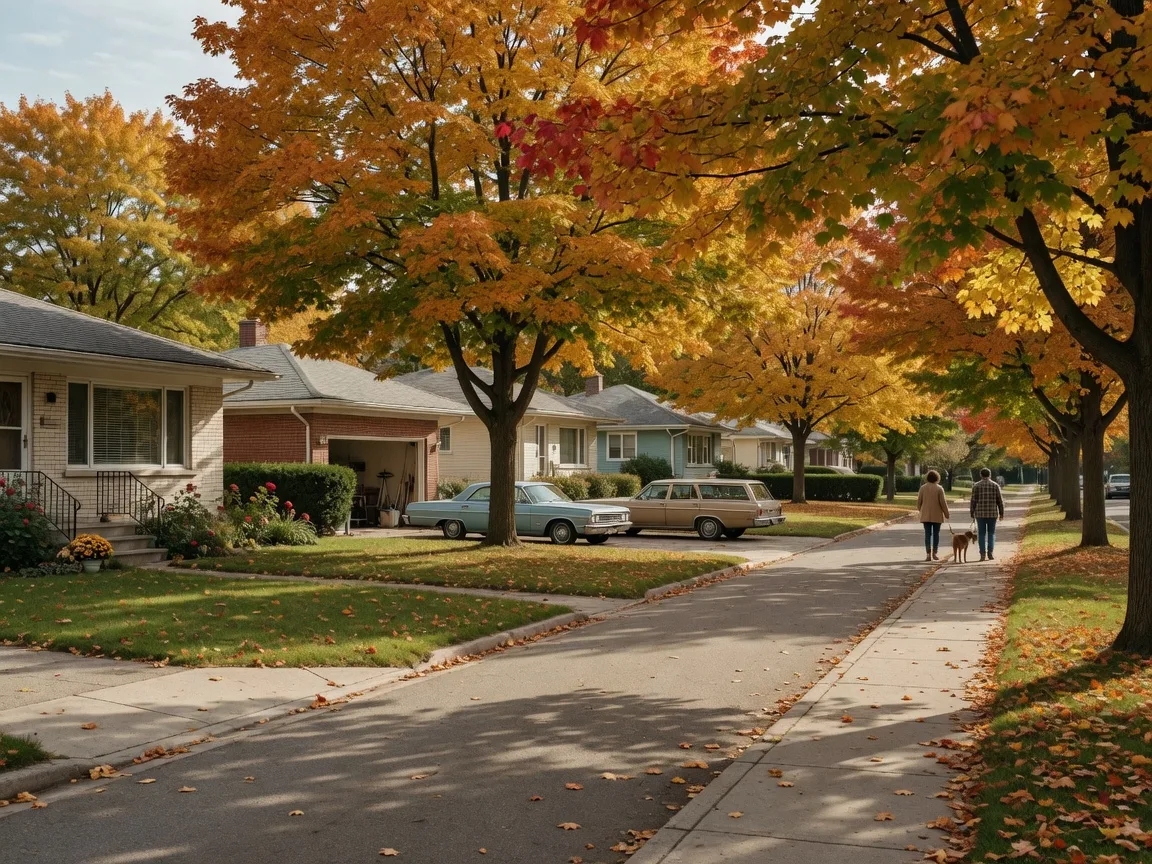
Bungalows, raised bungalows, and split-levels from the 1950s through the 1970s, on 50 to 60 foot lots with mature trees. The backbone of central Oshawa and a renovator’s paradise.
New detached subdivisions
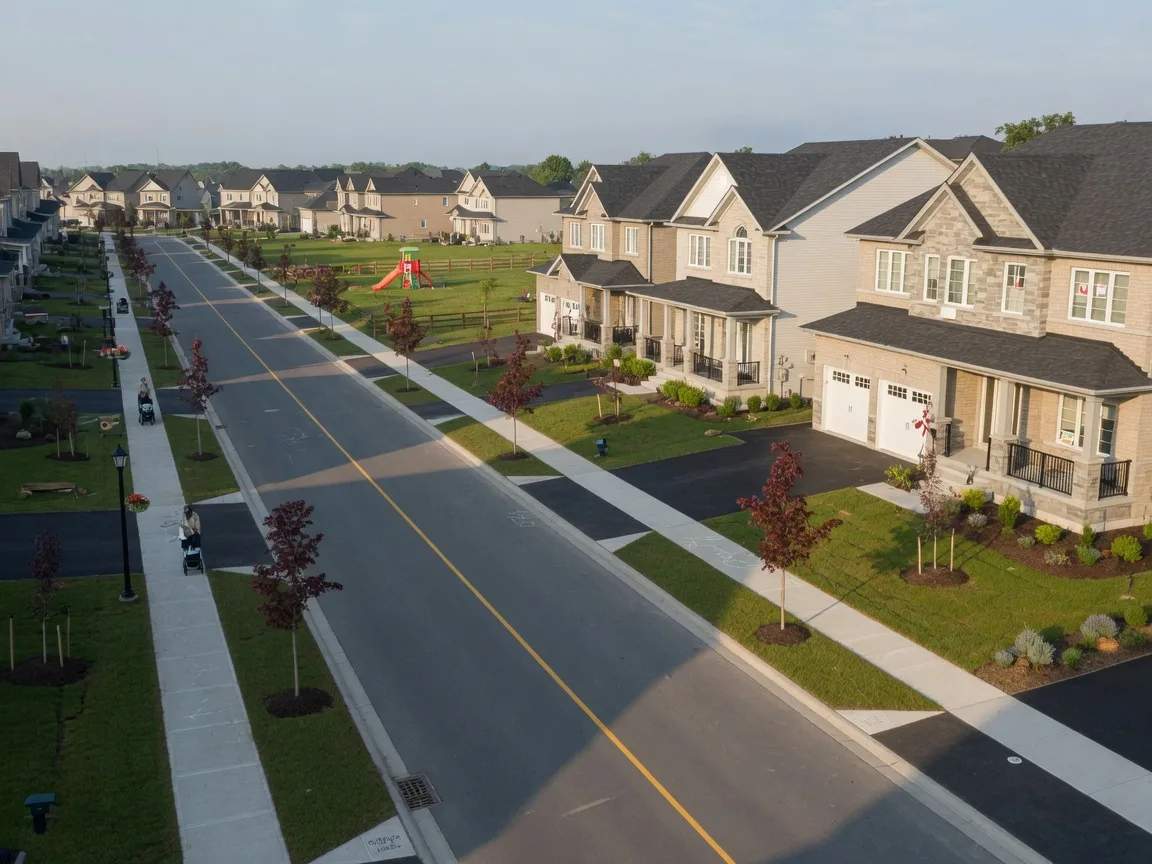
Four-bedroom, two-storey family homes from the 2000s onward across Taunton, Windfields, and Kedron. Open concepts, nine-foot ceilings, attached garages, and the top of the price range.
Townhomes & semis
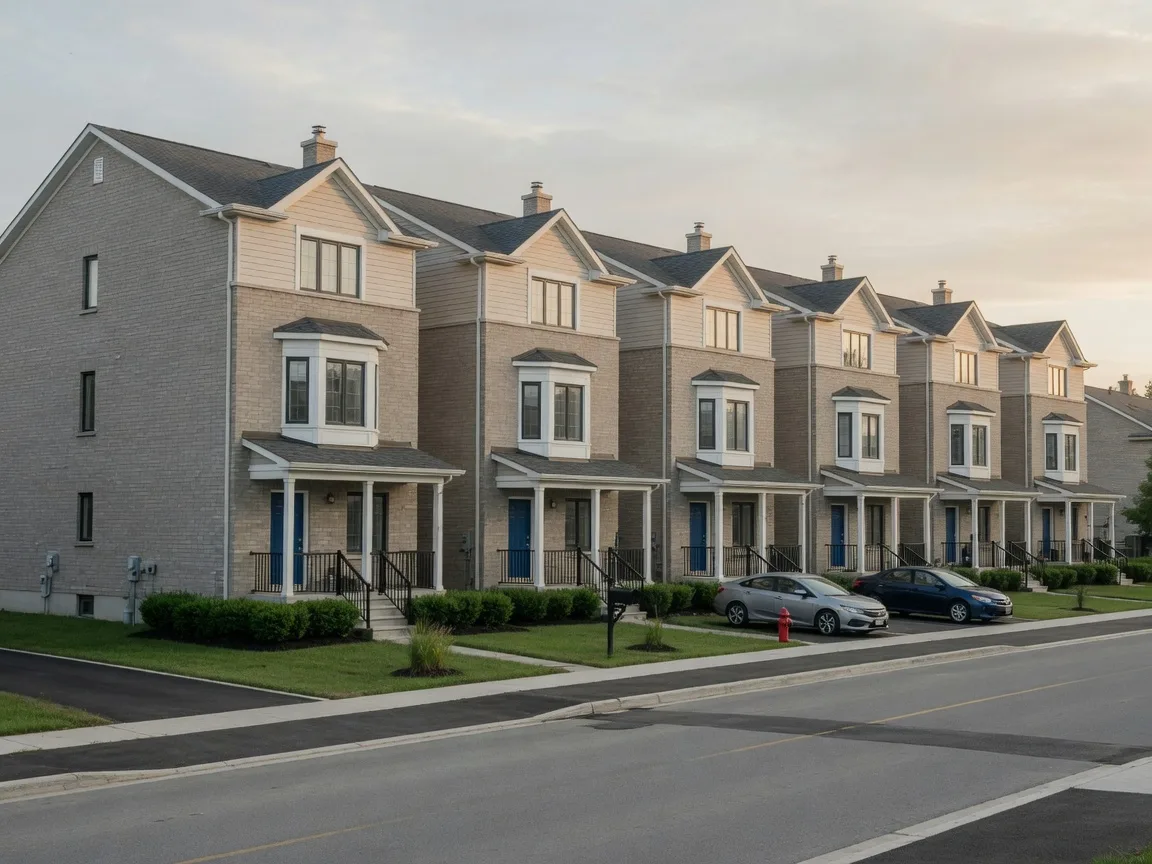
Freehold townhomes, stacked towns, and semis sit between detached and condo pricing, and much of the city’s new supply is concentrated here, from Vanier to the newest north-end projects.
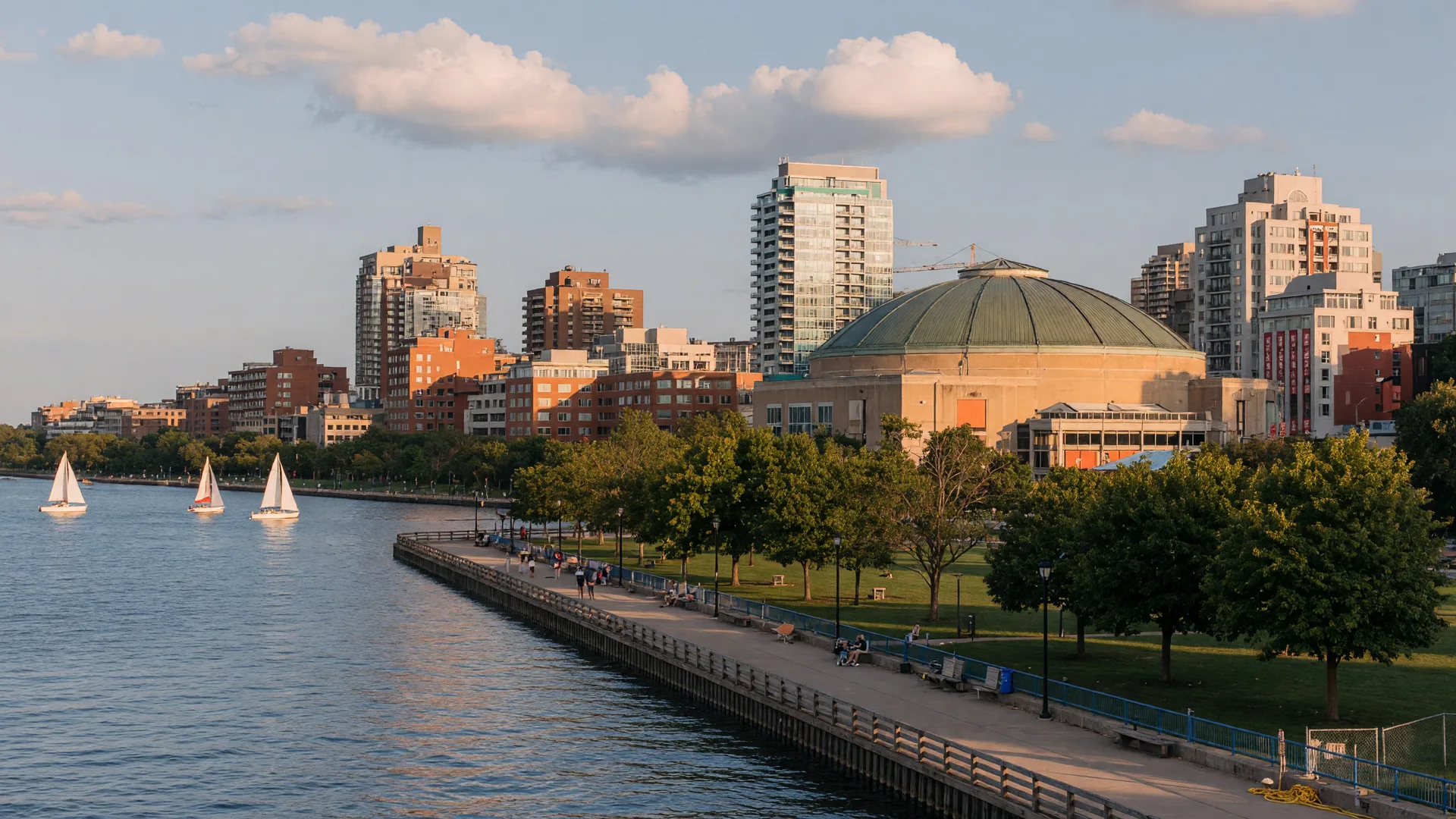
Condos & apartments
Condo apartments are Oshawa’s most affordable home type, with new towers rising in the north end and downtown conversion projects. Ideal for first-timers and downsizers.
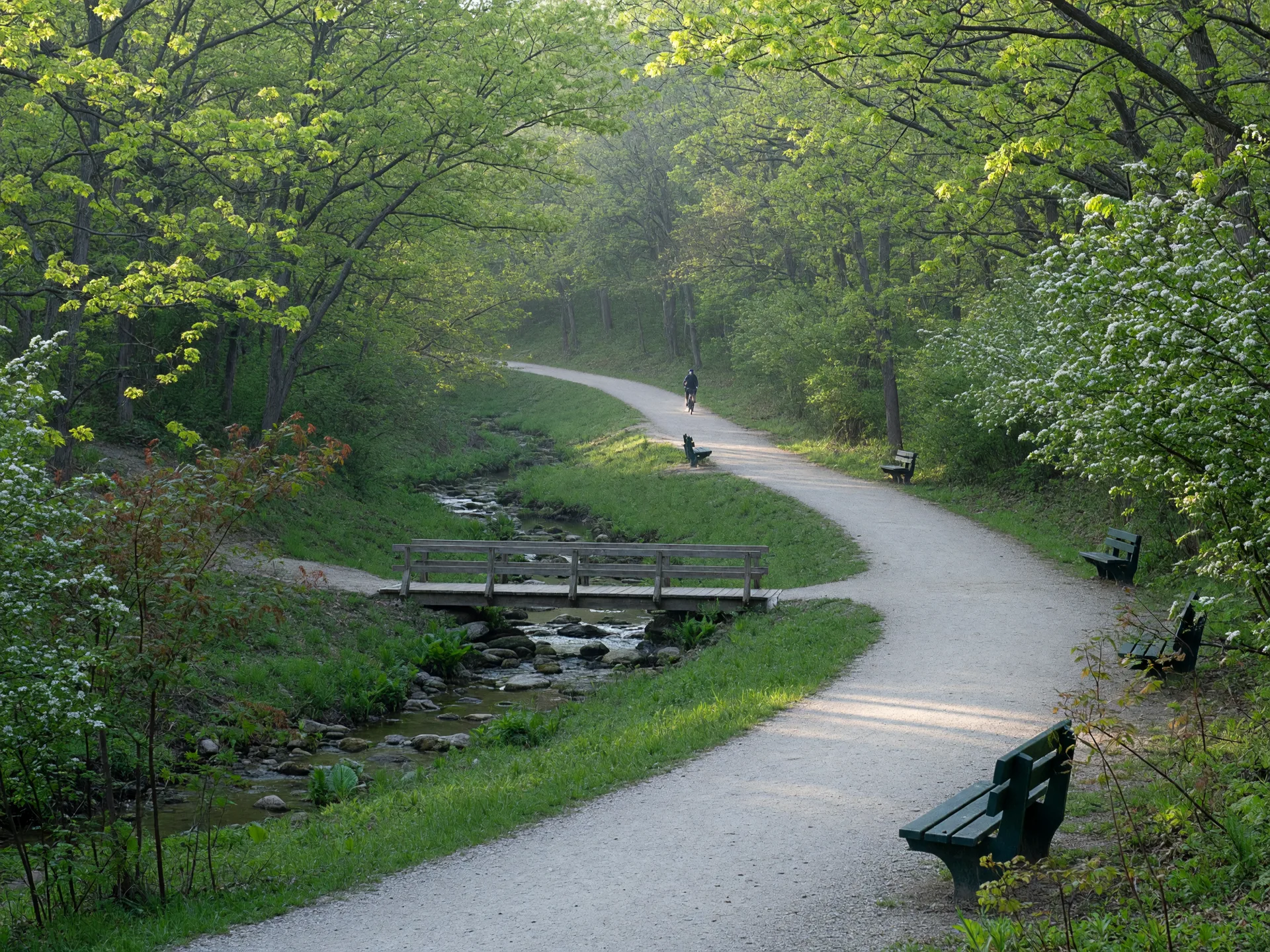
Acreage & hobby farms
In the rural north, one to ten acre lots with farmhouses and estate builds. City services in some pockets, Highway 407 minutes away, and complete privacy.
Market snapshot
September 2026 in four numbers
Figures below are sourced from the Central Lakes Association of REALTORS (CLAR) Durham Region Housing Report for September 2026, Oshawa row. The market page updates monthly, so the numbers here are the verified figures, not projections.
See the full monthly market reportAll homes, average
$680,252
Days on market
34 days
September 2026, CLAR. Months of inventory at 5.64; sales-to-new-listings ratio 26%.
The value story
Detached Oshawa homes have averaged well under $900,000, a fraction of comparable Toronto-area prices, while the GO train reaches Union Station in about an hour. That gap is the reason Oshawa is one of Ontario's fastest growing cities, and the reason it keeps being one of the GTA's best affordability plays.
Buying here
What to know before you buy in Oshawa
Basements do a lot of work here
Separate entries, basement apartments, and walkouts are common in older stock. Confirm legal status and municipal registration before you budget around suite income.
Renos are on the listing, not on paper
Ask whether permits were pulled for kitchens, roofs, and additions. A good agent flags unpermitted work before your lawyer does.
The neighbourhood matters more than the house
In Oshawa, a street a few blocks apart can change character, school catchment, and resale. Walk the block at three different times of day before you decide.
Get today's numbers for your house style
Averages flatten the truth. On a free call, we will price the exact style, area, and condition you want, using this week's sales, not last month's headline.