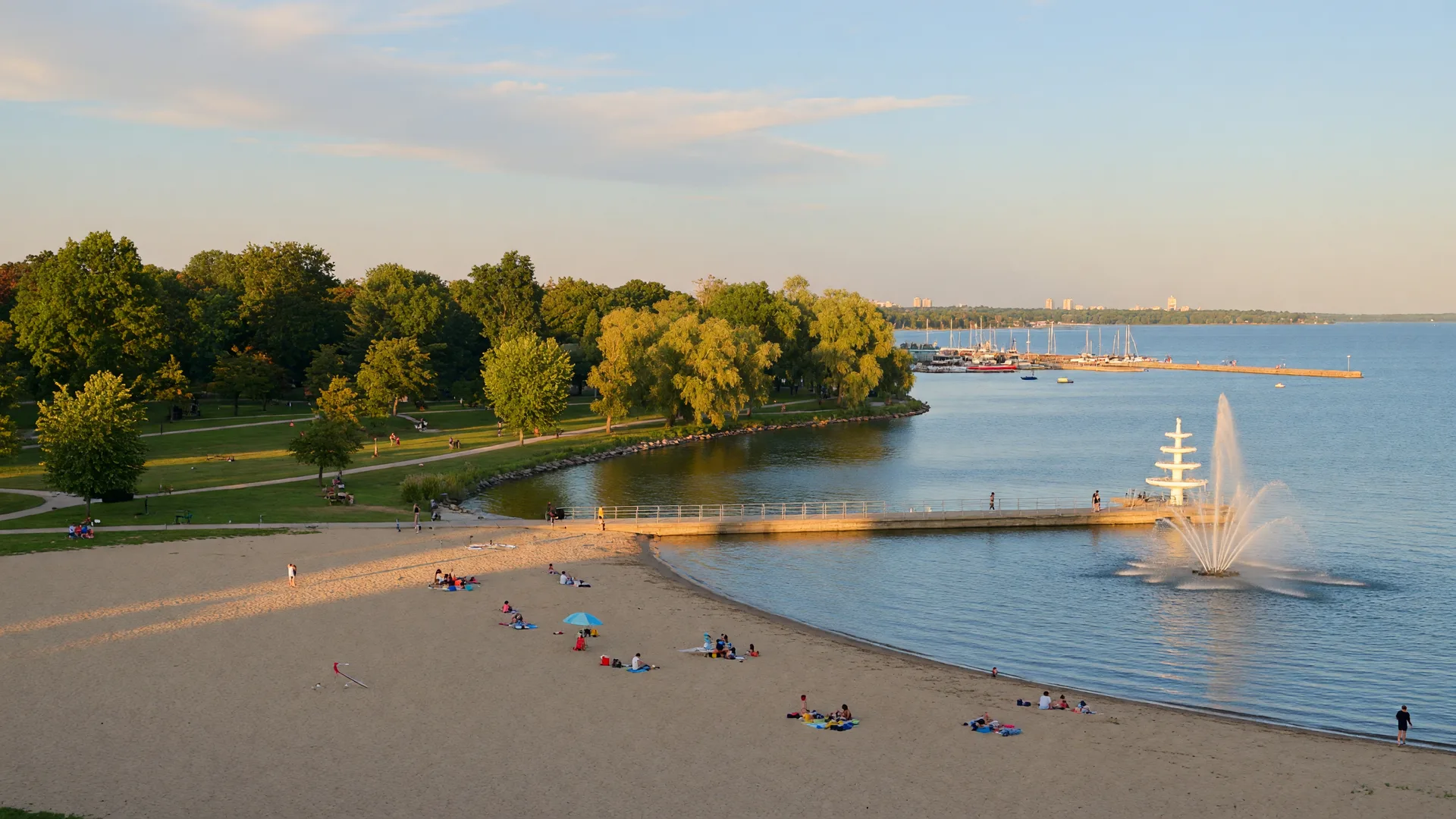
If you are wondering what it is like to live in Lakeview, Oshawa, the short answer is this: it is the city's south-end lakefront, where quiet streets of older homes meet a real beach, a heritage museum, and an 11-kilometre stretch of the Great Lakes Waterfront Trail. Living in Lakeview, Oshawa means trading a longer commute for Lake Ontario at the end of the road, the most relaxed pace in the city, and some of the most affordable lake-adjacent homes in the region. This guide covers the neighbourhood's location, housing, schools, parks, and commute so you can decide whether a Sunday drive south is worth it.
Living in Lakeview, Oshawa: the short answer
Lakeview is south Oshawa's waterfront pocket, the part of the city that grew up around one of the busiest harbours on Lake Ontario in the mid-1800s. Today it is a laid-back collection of streets, parks, and older homes along the shore, framed by Highway 401 to the north, the General Motors complex to the west, and Oshawa Harbour to the east. For buyers the appeal is simple: a real sandy beach at Lakeview Park, the Oshawa Museum in the same historic park, and homes priced below the Oshawa average. The trade-offs are real too: a longer drive to work, an older housing stock that often needs work, and a quieter social scene than the north end. If that trade sounds like a good one, keep reading; if you are still weighing neighbourhoods, our first-time buyer guide to where to live in Oshawa compares every district side by side.
Where exactly is Lakeview?
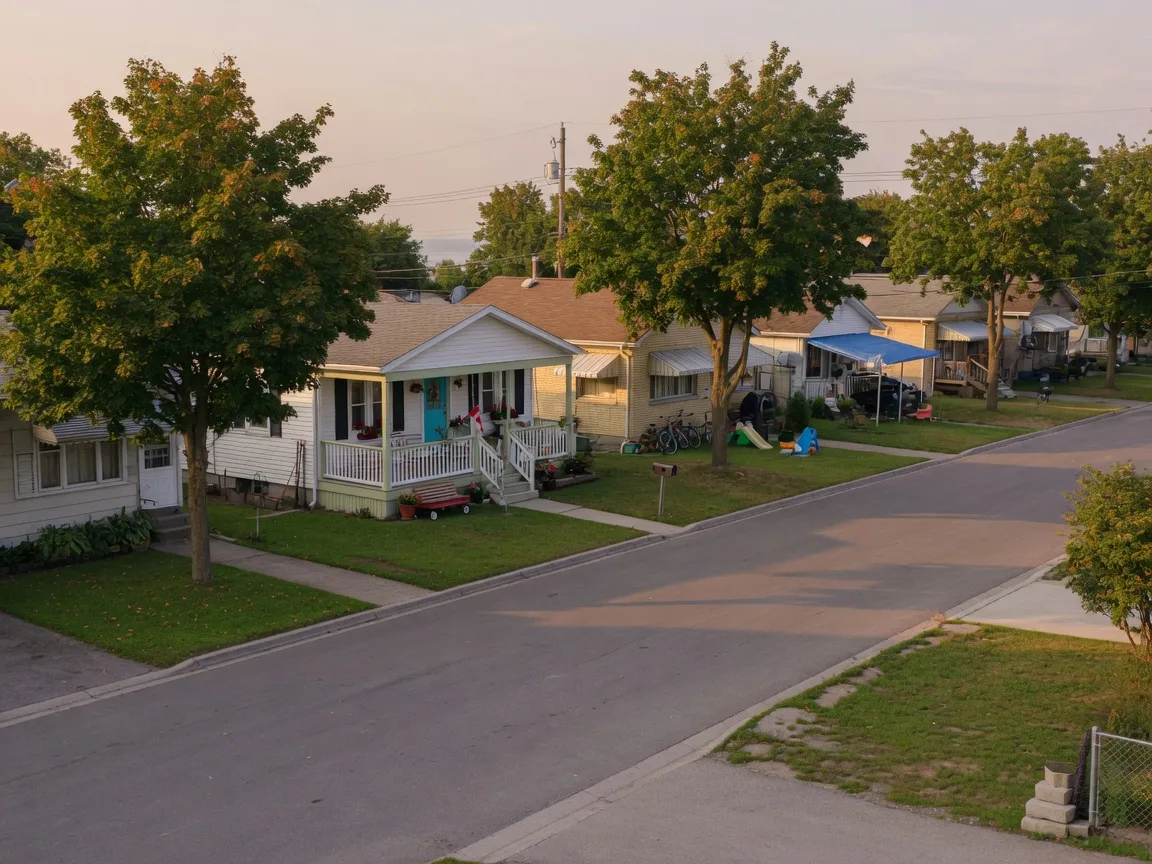
Lakeview sits on the south edge of Oshawa, along the shore of Lake Ontario. The neighbourhood runs roughly from Highway 401 in the north down to the water, with the General Motors plant and Oshawa Harbour forming the western and eastern edges. The main streets to know are Simcoe Street, Ritson Road, and Cedar Street, which carry traffic from the 401 down to the lake, and Farewell Street further east near the harbour. Lakeview Park sits at the south end of Simcoe Street, where the road meets the water, and the area falls in the L1J postal district. Even though the GM plant looms to the west, the residential streets themselves are quiet and tree-lined, which surprises most first-time visitors.
Lakeview Park: the heart of the neighbourhood
If Lakeview has a front door, it is Lakeview Park. The city has run this waterfront park for over a century, since the land was deeded to the town in 1920, and it remains the most-used outdoor space in south Oshawa. In summer the sandy beach is the draw: the section known as Beach East is lifeguard-supervised during the day, while Beach West is unguarded. The park also holds a pedestrian pier, the Lady of the Lake fountain, the Jubilee Pavilion, baseball diamonds, soccer fields, a playground with a splash pad, and picnic shelters. The City of Oshawa's Lakeview Park Beach page lists the season, lifeguard hours, and water quality testing, so you can plan a beach day before you move.
The Oshawa Museum and the harbour's history
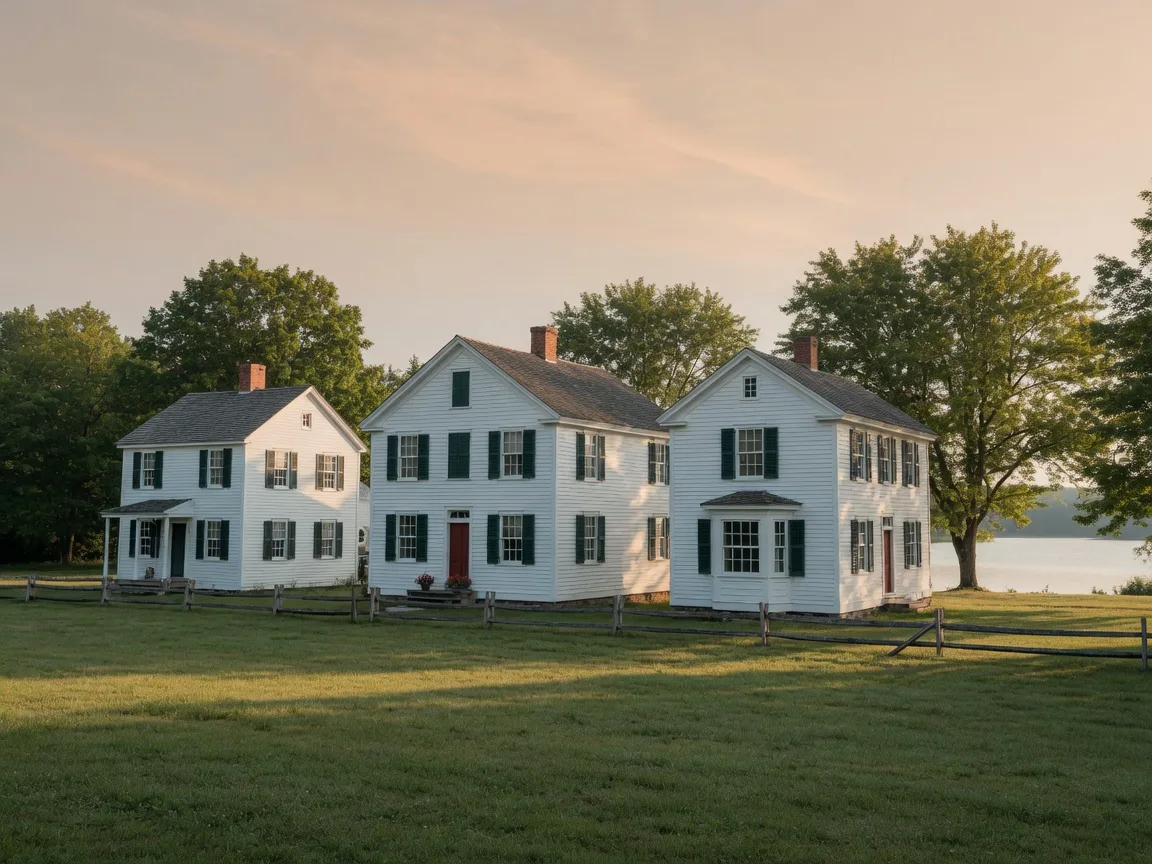
Right inside Lakeview Park, the Oshawa Museum tells the story of this stretch of shore. It is made up of three restored 19th-century houses, the Henry, Robinson, and Guy houses, that were home to the settlers and merchants who built the harbour trade. The best-known figure is Thomas Henry, an early settler who became one of the area's first harbourmasters and a president of the Oshawa Harbour Company. Walking the museum grounds after a swim is one of the best free afternoons in Oshawa, and it grounds you in why the neighbourhood looks the way it does: a working waterfront that grew into a city.
The waterfront trail and Second Marsh
Oshawa's segment of the Great Lakes Waterfront Trail runs roughly 11 kilometres along the lake, and Lakeview is its anchor. From Lakeview Park the trail continues east through Ed Broadbent Waterfront Park, Oshawa's newest waterfront park, across a pedestrian bridge over Oshawa Creek, and out toward Second Marsh, the largest coastal wetland between Niagara and Presqu'ile. Bikers and runners can string together Lakeview Park, the harbour trail, and the marsh on one outing, and Lakefront West Park with its ball diamonds sits along the route too. The City of Oshawa's waterfront page maps the whole network, including parking and trailheads.
What the housing stock looks like
Lakeview is not a new-build neighbourhood, and that is its character. The housing is mostly older: bungalow-style single-detached homes, many built before 1960 and some dating to the early 1900s, when the harbour and the GM plant drove employment. You will also find co-op townhomes, low-rise apartments, and a small number of true lakefront houses. That older stock is exactly why prices stay below the Oshawa average: buyers are paying for location and potential, then investing in kitchens, bathrooms, and roofs. Some homes have already been renovated and sell at a premium, while others are honest fixer-uppers. The Lakeview neighbourhood guide has the street-by-street picture, and our housing styles and prices page shows how south Oshawa compares with the rest of the city.
Schools in Lakeview
For families, Lakeview is served by both of Durham's school boards. Public elementary catchments in and around the area include Dr. C.F. Cannon, Coronation, Glen Street, and Lakewoods public schools under the Durham District School Board, while the Durham Catholic board serves south Oshawa at St. Christopher Catholic School on Annapolis Avenue. Because catchments shift with new development, the reliable way to confirm the school for a specific address is the Durham District School Board find-a-school tool. If schools are a deciding factor for your move, our guide to the best schools in Oshawa walks through the boards, French immersion, and secondary options across the whole city.
Getting around: Route 901, the GO train, and Highway 401
Lakeview is a car-first neighbourhood, but it is not car-only. Durham Region Transit's Route 901 runs to Lakeview Park, and PULSE routes along the major roads link the area to downtown Oshawa, the university, and the Oshawa GO station. From the station, the GO train reaches downtown Toronto in about an hour. Drivers reach Highway 401 in a few minutes via Ritson Road or Simcoe Street, which is the main reason the commute is workable despite the south-end location. The trade-off is honest: the north end sits closer to Highway 407, while Lakeview's position means most trips to the highway go through the city first. Live schedules are on the Durham Region Transit website, and our full transit guide covers every route across the city.
A typical day in Lakeview
To picture daily life, imagine a summer morning walk down to Lakeview Park with coffee, an afternoon on the beach or the trail, and an evening at the Oshawa Museum's grounds or a ball game at the diamonds. Errands run to the grocery and big-box plazas along Simcoe and Ritson, and the city core is only a short drive north, so downtown's restaurants, the Regent Theatre, and the university are easy to reach. Weekends bring the waterfront trail, Second Marsh for birdwatching, and the harbour for fishing or kayaking. It is a slower rhythm than the north end, and that is the point for the buyers who choose it.
What it costs to live in Lakeview
Lakeview sits below the Oshawa average, which is the neighbourhood's biggest financial draw. The citywide average home price was $680,252 in September 2026, and Lakeview's older bungalow stock generally lists below that figure, with renovated homes and true lakefront properties at the top of the range. Budget for the usual Ontario costs on an older home: land transfer tax, insurance, property tax, and a maintenance reserve for a roof, furnace, or foundation. First-time buyers can soften the upfront hit by stacking the First Home Savings Account, the Home Buyers' Plan, and the provincial land transfer tax refund; our where to live in Oshawa guide for first-time buyers explains those programs and how south Oshawa compares with the north. For the latest numbers, the monthly Oshawa market report is updated with sourced averages every month.
Who is Lakeview best for?
Lakeview is not the right fit for everyone, but it suits a clear set of buyers:
- Water lovers who want the beach, the pier, and the harbour close enough to use every week.
- Renovators hunting an affordable project in a location that can only get better.
- Buyers who prefer a relaxed, established streetscape over new subdivisions.
- Budget-conscious buyers who want lake access without paying lakeshore-town prices.
The trade-offs to know before you move
Be honest about the trade-offs. Lakeview's commute is longer than the north end's, the social scene is quieter, and much of the housing stock needs work before it is turn-key. The neighbourhood also sits beside working industry: the GM complex to the west and the harbour to the east, so the edges are more industrial than residential, and some streets near the plant can see truck traffic and noise. That is the honest version, and it is why Lakeview is not for everyone. It is also why the buyers it does suit tend to stay: the location, the beach, and the price are hard to beat once you account for the work.
The best way to test Lakeview is to spend a day there. Drive down Simcoe Street on a Saturday, walk the beach and the trail, check a couple of open houses, and time your own commute. Our step-by-step buyer's checklist walks through the process in order, and Keith and Lisa have sold homes across south Oshawa for years, so they can shortlist the right streets and tell you straight whether a listing is priced fairly. Send them a message or book a free call to start your search.